Motherhood, Identity, and Finding Our Way Back

Motherhood is often described as a beautiful and life-changing journey, and it truly is. The first time I held my daughter, I felt a love I didn’t know was possible. But alongside that love came something I wasn’t prepared for: the slow, almost invisible way I started losing myself.
It wasn’t that I stopped being “me” overnight. It was subtle. A pause on career ambitions “just for a little while.” A growing guilt whenever I thought about wanting something outside of motherhood. The self-doubt that crept in when I wondered if I was being “selfish” for wanting more than just being a good mother.
And then there was the world around me. Society has a way of reinforcing this narrative: You’re a mother now. Your child comes first. Your dreams can wait. People don’t always say it directly, but it’s in the glances, the questions, the unsolicited advice. Suddenly, the woman who once had big goals becomes “someone’s mom”, as if her identity is reduced to that one role.
I felt this deeply. Before motherhood, I had a professional identity that gave me confidence and purpose. After her birth, I stepped back by choice. But slowly, I realized I wasn’t just taking it slow, I was shrinking myself. I believed that wanting a career alongside motherhood meant I wasn’t a “good enough mom.”
Mothers are often put in a box: nurturing, self-sacrificing, always available. And workplaces, even unintentionally, reinforce this. The bias is real, assumptions that women won’t be ambitious anymore, that flexibility is a sign of lower commitment, that motherhood and career are at odds.
This is where many women begin to lose themselves. Not only because of societal prejudice, but also because of the pressure we put on ourselves to live up to the “perfect mother” ideal. We internalize the belief that once we become mothers, our worth is tied to sacrifice. We lose sight of the truth: being a mother adds to who we are, it doesn’t erase us.
The turning point for me came when I started asking myself a simple question:
What kind of example do I want to set for my daughter?
Did I want her to see a mother who gave up on her dreams, or a mother who embraced them while loving her family wholeheartedly? This question changed everything.
That was when I began reclaiming myself. Slowly. Step by step.
Getting back wasn’t a dramatic “aha moment.” It was the small things like saying yes to an opportunity I might have declined, carving out time without guilt, daring to dream again. It was about challenging both the inner voice that said you can’t and the external voices that asked why would you?
But I also learned this: it isn’t just about personal resilience. Telling women to “lean in” doesn’t work if the structures around them are still leaning against them. We need workplaces and communities willing to see us as more than just one role, and to create spaces where we can show up fully.
A supportive, inclusive workplace can make the difference between a woman shrinking back or stepping forward. When organizations create policies that normalize flexible work, respect career breaks, and view caregiving as a shared responsibility (not just a woman’s burden), they give mothers the space to be both whole professionals and whole parents.
Motherhood changes us, yes, but it should expand us not confine us. Our children don’t need mothers who sacrifice, they need mothers who live fully, so they learn it’s possible for them too.
If motherhood expands who women are, how can we, as individuals, workplaces, and society, make sure women don’t lose themselves in the process, and that we as mothers don’t lose ourselves either?
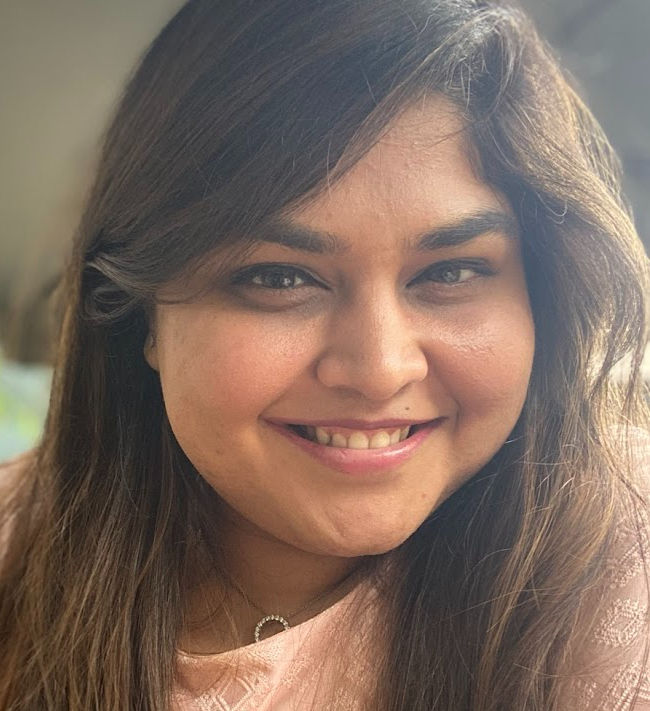
Reethu George is an award-winning Career Coach and mother. She is the Founder of ClarityBrew and Co-founder of ReLaunchHer. A former corporate lawyer, she pivoted her career to support women in navigating theirs. Through her work, she has helped 100+ women across 6+ countries grow in their careers by finding clarity, direction, and the confidence to take the next step.
For organisations seeking to strengthen their PoSH/DEI frameworks, write to us on hello@shesr.in to build inclusive workplaces that empower, retain, and elevate women. Talk to us to know more about leadership's role in preventing workplace harassment.


Comments